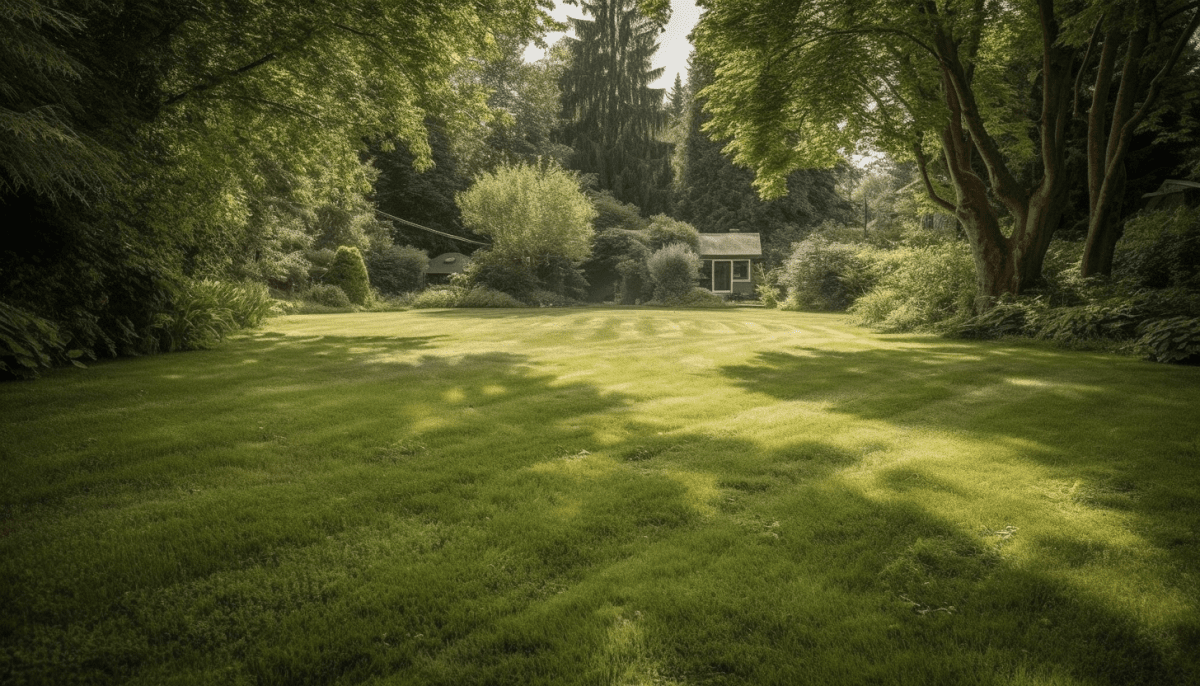
Lawn grubs can sneak into your yard without you even noticing, but there are some common signs that can alert you to their presence. Keeping an eye out for these clues ensures your lawn stays healthy and vibrant.
One of the first signs to look for is brown patches. If you notice areas of your lawn turning brown and dying, it could be a sign that grubs are munching on the roots of your grass. Normally, grass should feel lush and soft, so any unexpected brown spots need a second look.
Another indicator is if the grass is easily pulled up from the ground. Healthy grass should have deep roots, but if it pops up easily, grubs might be lurking below. Sometimes, you might even spot small beetles flying around, which are adult forms of the grubs.
By keeping an eye out for these signs, you can take action early and help your lawn stay healthy and lush all season long!
Simple Steps to Prevent Grubs
Preventing grubs in your lawn doesn’t have to be complicated. By following a few straightforward steps, you can help keep those pesky critters at bay and maintain a healthy, vibrant lawn. Here are some easy tips to get you started:
Best Treatments for Lawn Grubs
If you’ve noticed your lawn looking a bit worse for wear and suspect grubs might be the culprits, don’t worry! There are plenty of effective treatments to get your lawn back on track. Here’s a friendly rundown of the best options for tackling those pesky lawn grubs.
1. Natural Predators
One of the easiest ways to control grubs is by inviting their natural predators into your yard. Birds, certain beetles, and beneficial nematodes can help keep grub populations in check. You might even enjoy watching the birds swoop down for their meal!
2. Organic Solutions
If you prefer an eco-friendly approach, consider using products like neem oil or milky spore. These options are safe for pets and children, yet they do a great job at targeting grubs. Apply them according to the instructions, and you’ll be on your way to a healthier lawn.
3. Traditional Pesticides
When other methods don't quite cut it, chemical pesticides specifically designed for grubs can be a solid choice. Look for products containing ingredients like imidacloprid or chlorantraniliprole. Just be sure to follow all application guidelines to ensure it’s safe for your lawn and the environment.
By employing one or a mix of these treatments, you’ll not only deal with grubs but also help your lawn thrive in the process. Happy lawn care!
Maintaining a Healthy Lush Lawn
Keeping your lawn lush and healthy isn’t just about regular watering or mowing. It involves several easy steps to nurture your grass and prevent pesky grubs from ruining your hard work.
First, make sure to mow your lawn at the right height. Too short, and you expose the soil, making it easier for grubs to invade. Aim to keep your grass a bit longer—around 2.5 to 3 inches is usually perfect. Longer grass helps shade the roots, keeping them cool and promoting deeper growth.
Next up, watering! It’s vital to water deeply but less frequently. This encourages your grass roots to grow deep into the soil, making them stronger and more resilient against grubs. A good rule of thumb is to aim for about an inch of water per week, including rainfall.
Lastly, don’t forget about aeration and overseeding. Aerating your lawn helps improve air circulation in the soil, making it harder for grubs to thrive. Follow that up by overseeding with a tough, resistant grass mix to create a lush, hardy lawn that can withstand any grubs that come its way.